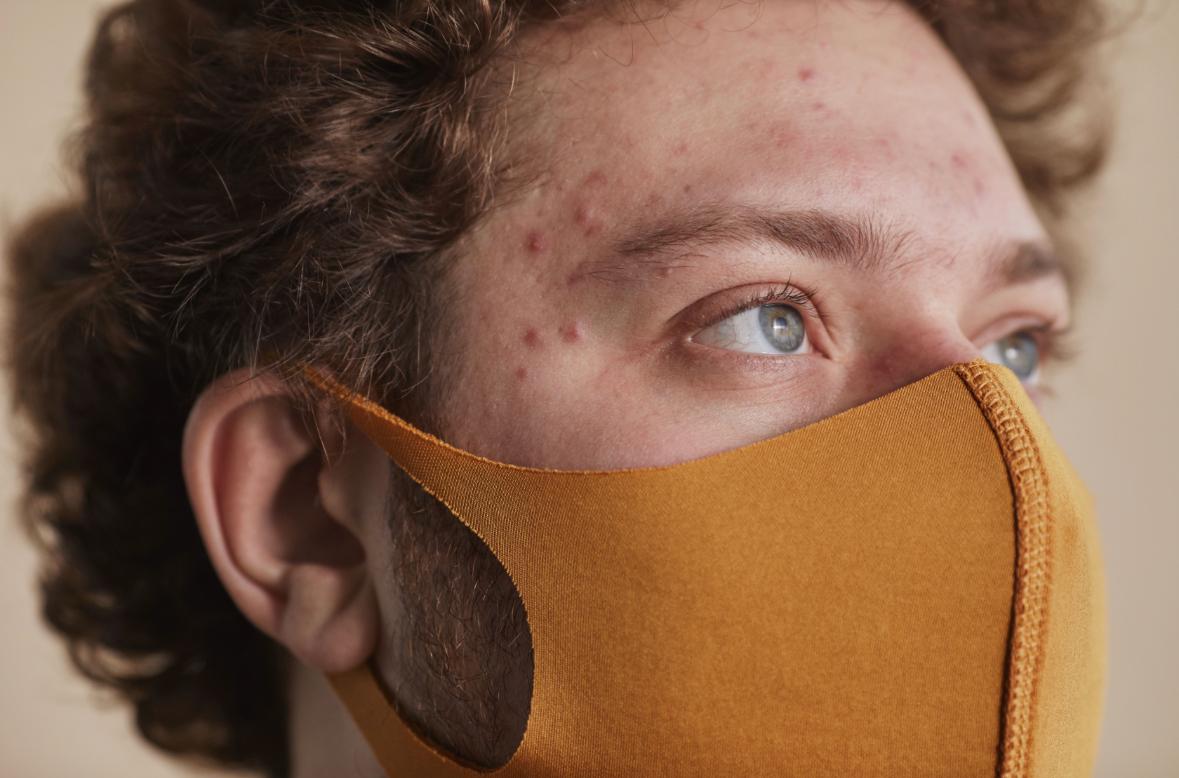
Have you ever noticed that your skin looks perfectly clear for a few days, only for several painful pimples to suddenly appear around your chin, jawline, or lower cheeks? Perhaps the breakouts disappear eventually, but return a few weeks later in almost exactly the same places.
If this sounds familiar, hormonal acne could be one possible explanation.
Hormonal acne is a common skin concern among adults and teenagers. Unlike occasional breakouts caused by clogged pores or certain skincare products, hormonal acne is influenced by changes in hormone levels that can affect how much oil your skin produces. This can lead to recurring pimples, inflamed breakouts, and sometimes deep, painful acne that is difficult to manage.
The frustrating part is that you might already have a skincare routine. You cleanse your face, moisturize, use acne products, and try to keep your skin clean, yet the same breakouts keep returning.
The good news is that hormonal acne can often be managed with the right combination of skincare ingredients, consistent habits, and, when necessary, medical treatment.
In this guide, we'll explain what causes hormonal acne, how to recognize its symptoms, why it frequently appears around the chin and jawline, and which treatments can actually help.
What Is Hormonal Acne?
Hormonal acne is acne that is influenced by fluctuations in hormones, particularly androgens. Androgens are hormones that can stimulate the sebaceous glands, which are responsible for producing sebum (natural skin oil).
When your skin produces too much sebum, it can mix with dead skin cells and contribute to clogged pores. This creates an environment where acne-causing bacteria and inflammation can contribute to breakouts.
Hormonal acne can affect people of different ages and genders. Although it is particularly common among adult women, men and teenagers can experience hormone-influenced acne as well.
One important distinction is that not every breakout is hormonal. Acne can have several contributing factors, including genetics, skincare products, inflammation, and environmental influences.
Hormonal changes are simply one important part of the picture.
What Does Hormonal Acne Look Like?
Hormonal acne can appear in several forms, depending on the person and the severity of the breakouts.
Common signs include:
- •Deep, painful pimples: These may develop underneath the skin and feel tender when touched.
- •Chin acne: Repeated breakouts around the chin are commonly associated with hormonal acne.
- •Jawline acne: Pimples that repeatedly appear along the jawline or lower cheeks may be another clue.
- •Inflamed pimples: Red, swollen bumps that can take time to disappear.
- •Recurring breakouts: Acne that improves temporarily but returns in a similar pattern.
- •Cystic acne: Some people develop deep, painful acne lesions that can increase the risk of scarring.
Hormonal acne does not always look the same. Some people experience a few small pimples, while others develop persistent inflammatory breakouts.
It is also important to understand that the location of acne alone cannot confirm whether hormones are responsible.

Why Does Hormonal Acne Usually Appear on the Chin and Jawline?
One of the most frequently discussed patterns of adult acne is breakouts around the lower face.
You might notice a pimple developing on your chin, followed by another near your jawline. Sometimes these breakouts appear around the same time every month.
This pattern is commonly associated with hormonal acne, particularly among women who experience recurring breakouts around their menstrual cycle.
Hormonal fluctuations can influence oil production, potentially making certain areas more prone to clogged pores and inflammation.
However, chin acne does not automatically mean you have a hormonal imbalance. Ordinary acne can also develop in this area.
If you consistently experience deep, painful, or recurring breakouts along your lower face, a dermatologist can help determine the underlying cause.
What Causes Hormonal Acne?
There isn't always one specific cause of hormonal acne. Several factors can contribute to hormone-related changes in oil production and acne development.
1. Hormonal Fluctuations
Hormone levels naturally change throughout life.
For example, hormonal changes during puberty, menstruation, pregnancy, and other stages of life can influence sebum production.
In some people, these changes contribute to increased oiliness and recurring acne breakouts.
2. Menstrual Cycle
Some women notice that their skin becomes more problematic in the days leading up to their period.
This happens because hormonal fluctuations throughout the menstrual cycle can influence acne activity.
If you notice that pimples consistently appear before your period and gradually improve afterward, keeping track of your breakouts may help you identify a pattern.
3. Polycystic Ovary Syndrome (PCOS)
Polycystic ovary syndrome, commonly known as PCOS, is a hormonal condition that can contribute to persistent acne.
Some people with PCOS experience increased androgen activity, which may stimulate oil production and contribute to breakouts.
Other possible symptoms include:
- •Irregular or missed menstrual periods.
- •Increased facial or body hair.
- •Thinning hair on the scalp.
- •Difficulty managing weight.
Acne alone does not mean you have PCOS. However, persistent acne alongside these symptoms is worth discussing with a healthcare professional.
Can hormonal acne mean you have PCOS?
Not necessarily. Hormonal acne can occur without PCOS. A healthcare professional can evaluate persistent acne alongside other symptoms to determine whether hormonal testing or further investigation is appropriate.
4. Stress and Poor Sleep
Stress does not automatically cause hormonal acne, but it can make existing acne worse.
Stress-related hormonal responses may influence inflammation and oil production. Poor sleep can also affect overall skin health and make it harder to maintain consistent skincare habits.
If your skin tends to become more problematic during particularly stressful periods, improving your sleep schedule and finding manageable ways to reduce stress may help.
5. Genetics
Genetics can influence how your skin responds to hormones and how much oil your sebaceous glands produce.
If close family members experienced persistent acne during adulthood, you may also be more susceptible to similar breakouts.
This does not mean you are destined to have acne. It simply means that genetics can be one factor worth considering when choosing an appropriate treatment.
How to Get Rid of Hormonal Acne: The Most Effective Treatments
If you're trying to figure out how to get rid of hormonal acne, the first thing to understand is that using more skincare products doesn't necessarily produce better results.
In fact, combining too many strong acne treatments can irritate your skin, damage its protective barrier, and make your skincare routine harder to maintain.
The goal should be to use ingredients that address clogged pores, excess oil, and inflammation without unnecessarily irritating your skin.
Here are some ingredients worth understanding.
1. Benzoyl Peroxide
Benzoyl peroxide is one of the most established ingredients for treating inflammatory acne.
It helps reduce acne-causing bacteria and can be useful for people who experience red, inflamed pimples.
You can find it in different concentrations in acne cleansers and leave-on treatments.
Who may benefit?
People experiencing inflammatory pimples alongside other forms of acne.
How to use it:
Start with a lower concentration and follow the product instructions. Depending on your skin's tolerance, you may prefer a wash-off product rather than a leave-on treatment.
Be aware that benzoyl peroxide can cause dryness and irritation and may bleach towels and pillowcases.
2. Adapalene (A Retinoid)
Adapalene is a topical retinoid that helps regulate skin cell turnover and prevent clogged pores.
It is particularly useful for treating acne that involves blackheads, whiteheads, and inflammatory pimples.
Although it does not directly correct hormonal fluctuations, it can help manage acne that develops as a result of increased oil production and clogged pores.
Who may benefit?
People experiencing recurring acne, clogged pores, and a combination of different types of breakouts.
How to use it:
Introduce it gradually, usually in the evening, following the product instructions. Apply moisturizer to help reduce dryness and irritation.
Retinoids should be avoided during pregnancy. If you're pregnant or planning to become pregnant, discuss safe alternatives with your healthcare provider.
3. Salicylic Acid
Salicylic acid is a beta hydroxy acid (BHA) that helps exfoliate inside the pores.
It can help remove excess dead skin cells and reduce the buildup that contributes to blackheads and whiteheads.
If your hormonal breakouts are accompanied by clogged pores or an oily T-zone, salicylic acid may be a useful addition to your routine.
Who may benefit?
People with oily skin, blackheads, whiteheads, and clogged pores.
How to use it:
Begin with a product used a few times per week, depending on its concentration and your skin's tolerance.
Avoid combining several exfoliating products when you're first introducing an active ingredient.
4. Azelaic Acid
Azelaic acid is particularly interesting because it can address more than one skin concern.
It has anti-inflammatory and antibacterial properties and can help improve the appearance of dark marks left behind after acne.
If you frequently develop pimples that eventually leave brown or dark spots, azelaic acid may be worth considering.
Who may benefit?
People experiencing inflammatory acne, uneven skin tone, and post-acne dark spots.
How to use it:
Follow the product instructions and introduce it gradually. It is available in different concentrations, including over-the-counter skincare products and prescription formulations.
5. Niacinamide
Niacinamide, a form of vitamin B3, is another popular skincare ingredient.
It can help support the skin barrier, improve the appearance of redness, and regulate the appearance of excess oil.
While niacinamide is not a standalone treatment for hormonal acne, it can complement a routine that includes more established acne-fighting ingredients.
Who may benefit?
People with oily, combination, or sensitive skin who want to support their skin barrier while treating acne.
Don't use every active ingredient at once
Benzoyl peroxide, adapalene, salicylic acid, azelaic acid, and niacinamide all have different purposes. Start with an appropriate treatment and introduce additional products gradually. More products do not necessarily mean clearer skin.
The Best Skincare Routine for Hormonal Acne
A consistent skincare routine can make a meaningful difference when managing recurring breakouts.
You do not need ten different products or an expensive collection of serums. A simple routine with a few well-chosen products is often a better starting point.
Here is an example of a basic morning and nighttime routine.
Morning Skincare Routine
Step 1: Gentle Cleanser
Wash your face with a gentle cleanser to remove overnight oil and impurities.
Avoid harsh soaps or cleansers that leave your skin feeling tight and uncomfortable.
Step 2: Acne Treatment (Optional)
Depending on your skin and treatment plan, you may use benzoyl peroxide or azelaic acid.
You do not need to use every acne-fighting ingredient in one routine.
Step 3: Moisturizer
Choose a lightweight, non-comedogenic moisturizer.
Even oily skin needs hydration. Skipping moisturizer can make your routine unnecessarily irritating.
Step 4: Sunscreen
Finish with broad-spectrum SPF 30 or higher.
Daily sunscreen is particularly important when treating acne because sun exposure can make post-acne dark marks more noticeable.
Nighttime Skincare Routine
Step 1: Cleanser
Remove sunscreen, makeup, excess oil, and dirt with a gentle cleanser.
Step 2: Treatment
Depending on your skin's needs, this could include adapalene or another dermatologist-recommended acne treatment.
Introduce active ingredients gradually instead of starting several new products simultaneously.
Step 3: Moisturizer
Apply a moisturizer to help maintain hydration and support your skin barrier overnight.
If your skin becomes irritated, reduce the frequency of active ingredients and allow it to recover.
For more detailed guidance, see our Beginner's Guide to Building a Skincare Routine.
Can You Get Rid of Hormonal Acne Naturally?
Many people search for natural ways to treat hormonal acne because they want to avoid complicated skincare routines or prescription medications.
Although lifestyle habits can support overall skin health, it is important to separate realistic expectations from unsupported skincare claims.
Here are a few habits worth considering.
Maintain a Balanced Diet
Some research suggests that high-glycemic foods may be associated with acne in certain individuals.
Foods that cause rapid increases in blood sugar may influence hormonal pathways involved in oil production.
You don't necessarily need to eliminate entire food groups. Instead, consider eating balanced meals that include vegetables, fruits, whole grains, protein, and healthy fats.
Evidence surrounding dairy and acne is mixed, so removing dairy is not a guaranteed solution.
Get Enough Sleep
Try to maintain a consistent sleep schedule.
Adequate sleep supports overall health and may help manage stress, which can contribute to worsening acne.
Avoid Constantly Touching Your Face
Repeatedly touching, picking, or squeezing pimples can worsen inflammation and increase the risk of post-acne marks and scarring.
If you frequently touch your chin or cheeks throughout the day, becoming more aware of this habit may help.
Be Careful With Skincare Products
Using too many exfoliants, harsh cleansers, and strong acne treatments can irritate your skin.
If your face feels tight, burns when applying moisturizer, or becomes unusually flaky, your skin may need a simpler routine.
Our guide to Skin Barrier Repair: Signs and Solutions explains how to recognize and address a damaged skin barrier.
Does Hormonal Acne Go Away on Its Own?
Sometimes, hormonal acne improves as hormone levels change. However, persistent adult acne may continue for years without appropriate treatment.
If you experience occasional mild breakouts, a consistent skincare routine may be enough to manage them.
But if you repeatedly develop deep, painful pimples, experience acne scarring, or notice that breakouts are affecting your confidence, it is worth seeking professional advice.
There is no reason to assume that adult acne is something you simply have to live with.
How Long Does It Take to See Results?
One of the biggest mistakes people make when treating acne is expecting overnight results.
Most acne treatments require patience and consistency.
As a general guide:
| Timeframe | What to expect |
|---|---|
| First 1–2 weeks | You may begin adjusting to a new skincare routine, although dryness or irritation can occur. |
| Weeks 4–6 | Some people begin noticing changes in oiliness, inflammation, or the frequency of breakouts. |
| Weeks 6–8 | Many over-the-counter acne treatments can be evaluated around this point to determine whether they are helping. |
| Months 2–3 | Prescription hormonal treatments may begin producing more noticeable improvements. |
These are general timeframes, not guarantees. Results depend on the treatment, acne severity, and individual skin response.
Avoid switching between products every few days. Give an appropriate treatment enough time to work, provided your skin is tolerating it.
When Should You See a Dermatologist?
Over-the-counter skincare products can help with many forms of mild acne, but they are not always enough.
Consider seeing a dermatologist if:
- •You regularly experience deep, painful pimples.
- •Acne continues despite several weeks of consistent treatment.
- •Breakouts leave permanent-looking scars.
- •Acne repeatedly appears along your chin and jawline.
- •You experience persistent acne alongside possible symptoms of a hormonal condition.
- •Your acne is affecting your confidence or quality of life.
A dermatologist may recommend prescription treatments depending on your symptoms and medical history.
Prescription Treatments for Hormonal Acne
For certain patients, treating acne effectively may require addressing hormonal factors rather than relying exclusively on topical skincare.
Some options include:
Spironolactone: A prescription medication that can help reduce androgen-related oil production. Dermatologists sometimes prescribe it for women with persistent hormonal acne.
Combined oral contraceptives: Certain birth control pills are FDA-approved for acne treatment and can help manage hormone-related breakouts in appropriate patients.
Clascoterone: A topical prescription medication that targets androgen activity in the skin. It is an option for certain patients with acne.
Isotretinoin: A powerful prescription treatment that may be recommended for severe acne, acne that causes scarring, or acne that has not responded adequately to other treatments.
These medications are not interchangeable, and not everyone is a suitable candidate. A healthcare professional should determine which treatment, if any, is appropriate.
If you're pregnant, planning a pregnancy, or breastfeeding, discuss acne treatments with your healthcare provider before starting them.
When professional treatment matters
Deep, painful acne can cause permanent scarring. Don't wait for months if your acne is severe or worsening. A dermatologist can help you choose an appropriate treatment before additional scarring develops.
Hormonal Acne vs. Regular Acne: What's the Difference?
It can be difficult to tell whether a breakout is hormonal or simply ordinary acne.
Both can involve clogged pores, pimples, inflammation, and excess oil.
However, certain patterns may provide useful clues.
| Feature | Hormonal Acne | Other Acne |
|---|---|---|
| Common location | Chin, jawline, lower face | Forehead, nose, cheeks, and other areas |
| Pattern | May recur in cycles | Can occur at any time |
| Appearance | Often inflammatory and sometimes deep | Can include blackheads, whiteheads, and pimples |
| Triggers | Hormonal fluctuations and androgen activity | Genetics, clogged pores, skincare products, and other factors |
| Treatment | May require topical and hormonal treatments | Often responds to appropriate topical acne treatments |
These are general patterns, not diagnostic rules. Hormonal acne and other forms of acne can overlap.
Frequently Asked Questions About Hormonal Acne
What is the fastest way to get rid of hormonal acne?
There is no guaranteed overnight solution. Benzoyl peroxide, topical retinoids, and other dermatologist-recommended treatments can help manage acne. For persistent hormonal acne, prescription treatments may be necessary.
Why am I suddenly getting hormonal acne?
Hormonal fluctuations, changes in medications, stress, and underlying hormonal conditions can contribute to sudden breakouts. If your acne is persistent or accompanied by other symptoms, consider speaking with a healthcare professional.
Can hormonal acne occur without PCOS?
Yes. Hormonal acne can occur in people without PCOS. Normal hormonal fluctuations can influence oil production and contribute to recurring acne breakouts.
Does hormonal acne always appear on the chin?
No. Although chin and jawline breakouts are commonly associated with hormonal acne, it can also appear on the cheeks, forehead, chest, and back.
Is hormonal acne more common in women?
Hormonal acne is particularly common among adult women, but men can also experience acne influenced by hormonal activity.
Can moisturizer make hormonal acne worse?
Not necessarily. A suitable non-comedogenic moisturizer can help maintain skin hydration without unnecessarily clogging pores. Choose products based on your skin type and individual tolerance.
Should I exfoliate if I have hormonal acne?
Exfoliation can help with clogged pores, but excessive exfoliation may irritate your skin. Ingredients such as salicylic acid can be useful when introduced appropriately.
What is the best ingredient for hormonal acne?
There is no single best ingredient for everyone. Benzoyl peroxide, adapalene, and azelaic acid can help manage different aspects of acne. Persistent hormone-related breakouts may require prescription treatment.
Final Thoughts: Finding the Right Treatment for Your Skin
Dealing with hormonal acne can be frustrating, especially when breakouts continue returning despite your best efforts.
The important thing is to understand that acne is not simply a matter of having dirty skin or using the wrong face wash.
Hormones, genetics, oil production, inflammation, and skincare habits can all play a role.
Start with a gentle cleanser, a suitable moisturizer, daily sunscreen, and one or two well-chosen acne treatments. Avoid overwhelming your skin with too many active ingredients, and give your routine enough time to show results.
If your breakouts are persistent, painful, or leaving scars, a dermatologist can help you explore treatments that address the underlying problem.
And remember: the best skincare routine isn't necessarily the most expensive or complicated one. It's the routine that addresses your skin's actual needs.
Find products that match your skin
Not sure which skincare products are right for your skin? Take the SkinMatchQuiz skincare quiz to explore product recommendations based on your skin type and concerns.
Medical disclaimer: This article is intended for educational purposes only and does not replace professional medical advice, diagnosis, or treatment. Consult a qualified healthcare professional about persistent acne, prescription medications, or suspected hormonal conditions.